Satsang

Traffic between an individual and the world involves receiving stimuli, having mental reactions and responding to the world. The regulation of these processes begins with Satsang, which means the company of good people. In a broader sense, Satsang encompasses good…

Read More...Satsang

Samsara

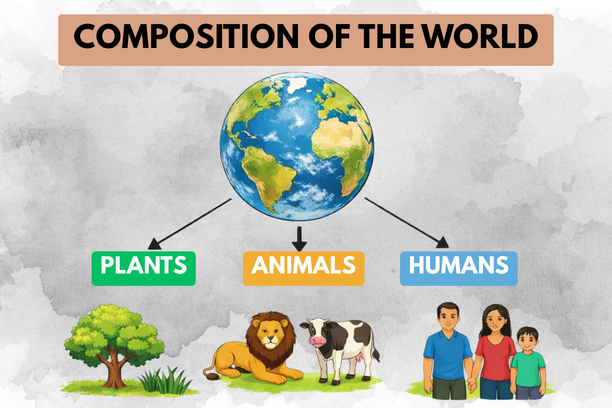
Samsara is a term often used to describe one’s family or the world. Essentially, it refers to the terrestrial entanglement to which one mentally binds oneself. Although it is captivating initially, it becomes difficult to free oneself later. It even…

Read More...Samsara

Reason, the Sap of Vedanta

Religion serves as a tool for personal development. Spiritual growth happens when religion is practised with courage and conviction. Humans need to develop and apply their intellect through independent thinking and questioning life experiences. Often, religious teachers simply repeat ideas,…

Read More...Reason, the Sap of Vedanta

Kataka-Nut Powder

The practice of knowledge involves negation and assertion, culminating in meditation. Meditation is the process of focusing the mind on a single thought to the exclusion of other thoughts. The question arises: How can the thought of the Self eliminate…

Read More...Kataka-Nut Powder

Attachment

Verses 6, 7, and 8 of Bhaja Govindam highlight the negative effects of attachment at the levels of the body, mind and intellect. People mainly identify with their gross body, and concerns about its well-being are common as long as…

Read More...Attachment

Knowledge Liberates

Verses 2 and 3 emphasize the importance of knowledge of Self. Action cannot eliminate ignorance because ignorance arises from it and is opposed to knowledge. Only knowledge can dispel ignorance, just as light can eliminate darkness. A single flash of…

Read More...Knowledge Liberates

Instability of Life

Due to disease and egotism, a human being is prone to experiencing sorrow in his life, which is highly unstable and unpredictable. Life is compared to water on a lotus leaf, whose brief existence is fleeting and fragile. Verse 5…

Read More...Instability of Life

Fourfold Qualifications

Viveka is the discrimination between the eternal and the ephemeral. Vairagya is the dispassion you demonstrate toward the fruits of your actions. Shad-sampatti, or the wealth of six qualities, includes Shama (mind control), Dama (sense control), Uparati (withdrawal), Titiksha (endurance),…

Read More...Fourfold Qualifications

Objectivity

The human mind often becomes involved in every experience. The subject gets entangled with the object, causing the individual to lose their objectivity. A strong intellect rooted in Self-knowledge allows one to experience life with disinterested interest. In the short…

Read More...Objectivity

Preface of Vedanta Treatise

Vedanta offers practical methods to achieve peace and prosperity simultaneously, ultimately revealing the true purpose of human life. Additionally, its scientific explanation appeals to modern minds. The Eternities refers to the ultimate Reality, which is Infinite beyond time and space.…

Read More...Preface of Vedanta Treatise